
Planning Your Surprise Proposal
The proposal itself lasts less than a minute. The planning behind it takes weeks.
After photographing proposals across Michigan, from Detroit to Ann Arbor and everywhere in between, I've noticed the same pattern every time. The proposals that feel effortless aren't the ones with the fanciest location or the biggest surprise. They're the ones where someone thought through every detail long before either of them showed up.
That someone is usually me.
My job isn't just to show up with a camera and wait for the right moment. It's to help you build the moment so completely that by the time you're standing there, ring in pocket, there's nothing left to figure out. You get to focus on her. I've already handled the rest.
It Starts With a Conversation
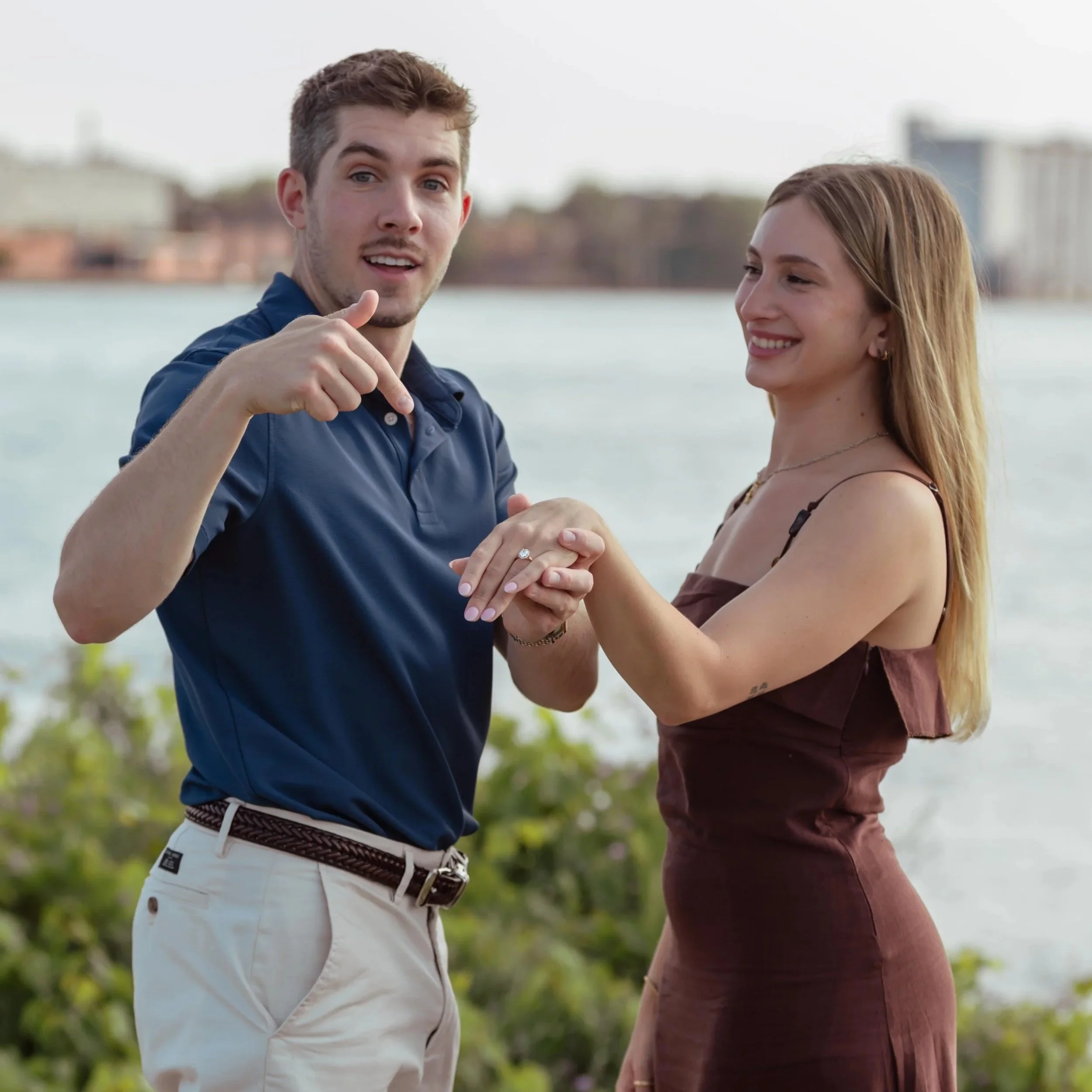
No two proposals start the same way. Some people call me already knowing the exact bench, the exact overlook, the exact tree they've been picturing for months. Others only know it's happening sometime in October and that they want it to feel like her.
That first conversation is where we sort out which one you are.
We talk through your relationship and what would actually feel like the two of you, not what looks good on Pinterest. We talk about the location, whether family is flying in for it, how much of a timeline you already have in your head, and what happens if any of it falls apart. We talk about how to keep the whole thing a secret from someone who's about to marry you, which is harder than it sounds.
Sometimes that call is fifteen minutes because you've already done the thinking. Sometimes it's an hour because you're starting from nothing but a season and a feeling. Both are fine. That's what the call is for.
Choosing the Right Location
A gorgeous location and a good proposal location aren't always the same thing.
I've watched couples fall in love with a spot online, only to find out it floods with tourists at golden hour, or the light that looked incredible in someone else's photo doesn't hit that angle until an hour later, or there's a parking lot a quarter mile away with a walk that isn't exactly proposal-appropriate in heels.
Part of my job is walking through all of that with you before it becomes a problem on the day itself. Crowds, lighting, parking, how far you'll actually have to walk, how private the spot really is, what the weather tends to do there, when the sun sets that time of year, whether there's construction, whether the location needs a permit.
I've had proposals shift because a permit fell through with two weeks' notice. I've rebuilt a timeline because sunset landed thirty minutes later than either of us expected. I've talked clients out of their original idea entirely and into somewhere that ended up working better for exactly what they wanted. This is where a lot of proposal photographers stop at "arrive at 6." I'd rather figure this out with you now than watch you figure it out on the spot.
Building the Timeline
Most of the reason a proposal goes smoothly is that nobody has to think on their feet.
Instead of "meet me at 7," we usually end up with something closer to this:
5:45 PM — Arrive and park 5:55 PM — Family gets into position 6:00 PM — I arrive and get hidden 6:10 PM — You begin walking 6:12 PM — Proposal 6:20 PM — Family joins 6:30 PM — Portraits
The more specific the plan, the less anyone has to improvise once the moment actually arrives, and improvising is usually where nerves show up.
Staying in Touch
In the days leading up to it, we're usually texting back and forth. What you'll be wearing, a recent photo of the two of you so I know who I'm looking for, where exactly you're parking, the precise meeting spot, how the weather's tracking, anything that's shifted since we last talked.
On the day itself, a lot of couples just share their live location with me. It sounds a little unromantic, but it means I always know exactly where you are without a single suspicious phone call while you're supposed to be surprising her.
Planning for the Unexpected
If there's one thing every proposal has taught me, it's that the plan changes.
I've worked through a ring that showed up two days late, sudden rain, a venue that revoked access at the last minute, family stuck in traffic an hour out, a schedule that got rearranged twice in one afternoon, and a location swap made forty minutes before showtime.
None of those ended the proposal. We adjusted, because we'd already built enough room in the plan to adjust. That's usually all it takes.
Proposal Day
By the time the day arrives, it should feel almost anticlimactic on the logistics side, because there's nothing left to solve.
I'll already know where to stand, when you're arriving, what you're wearing, how to recognize you at a glance, where the light is best at that hour, and roughly how the whole thing is going to unfold.
You get to stay in the moment instead of managing it.
After She Says Yes
The proposal is the beginning of the evening, not the whole thing.
Once the adrenaline hits, we move into engagement portraits while it's all still written on both your faces. Honestly, those first few minutes right after she says yes are some of my favorite frames from the entire night. Nobody's posing. Nobody's thinking about the camera. She's just standing there catching her breath, and he's just watching her do it.
A Real Example: Cranbrook Gardens
One of my favorite proposals happened at Cranbrook Gardens, and almost nothing about it went according to the original plan.
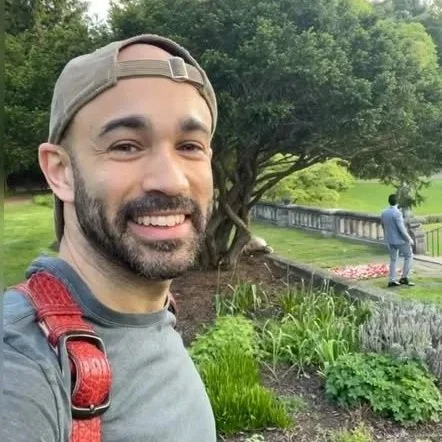
Over the course of several weeks, we worked through permit restrictions that nearly forced us to change locations, an engagement ring delayed in shipping, multiple timeline revisions, and constant coordination with family members who wanted to witness the proposal without accidentally giving away the surprise. We fine tuned the route through the gardens, calculated the best light around sunset, figured out where everyone would park, mapped out exactly where I would hide, and stayed in touch as every moving piece gradually fell into place.
By the end, the plan looked nothing like the one we started with. We had rebuilt the timeline more than once, adjusted to unexpected setbacks, and found solutions to problems that neither of us could have predicted when we first got on the phone.
None of that showed up in the proposal itself.
When Momin walked her into the Japanese Gardens, it felt calm. Unhurried. Natural. She never suspected a thing. There was no scrambling, no confusion, and no last minute decisions to make. He got down on one knee, she said yes, and the evening unfolded exactly as it should have.
That is my goal with every proposal I photograph. The planning can be as detailed as it needs to be behind the scenes, because the experience should feel effortless when the moment finally arrives.
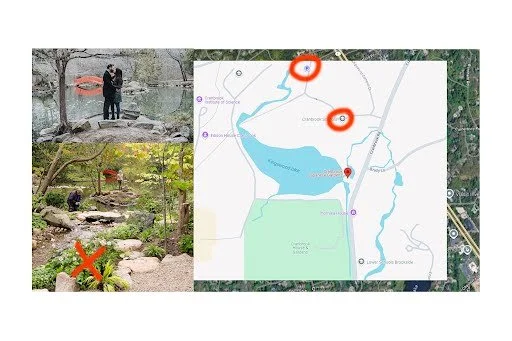
THE PROPOSAL PLAN MAP
“If you're planning a proposal anywhere in Michigan, from a quiet spot in Ann Arbor to somewhere downtown in Detroit, I'd love to help you build a plan like this one.”
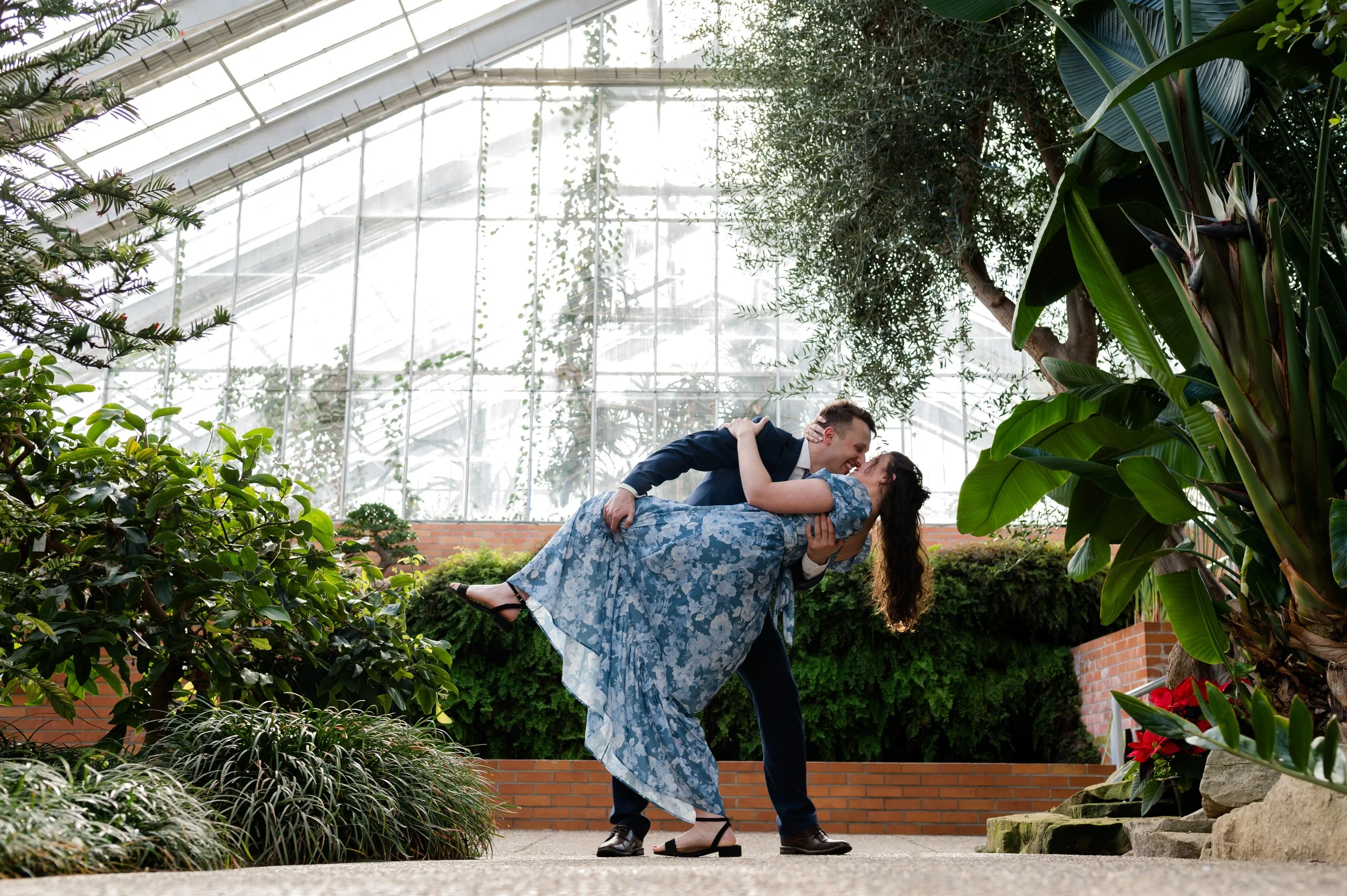


The proposal itself lasts less than a minute. The planning behind it takes weeks.
After photographing proposals across Michigan, from Detroit to Ann Arbor and everywhere in between, I've noticed the same pattern every time. The proposals that feel effortless aren't the ones with the fanciest location or the biggest surprise. They're the ones where someone thought through every detail long before either of them showed up.
That someone is usually me.
My job isn't just to show up with a camera and wait for the right moment. It's to help you build the moment so completely that by the time you're standing there, ring in pocket, there's nothing left to figure out. You get to focus on her. I've already handled the rest.